


Silicone Hand Sanitizer Holders: Materials and Craft Techniques Explained
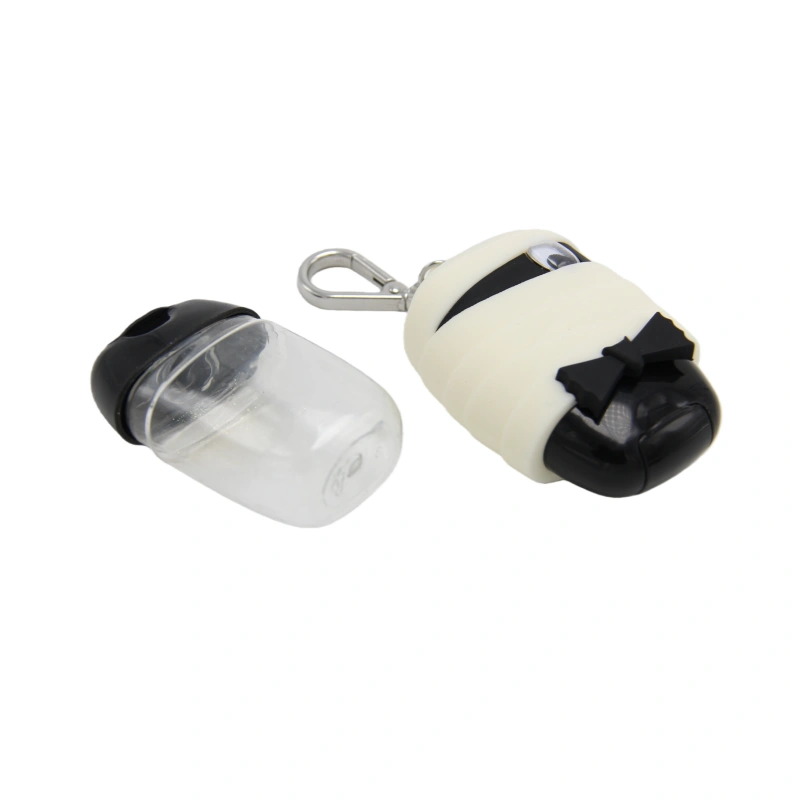
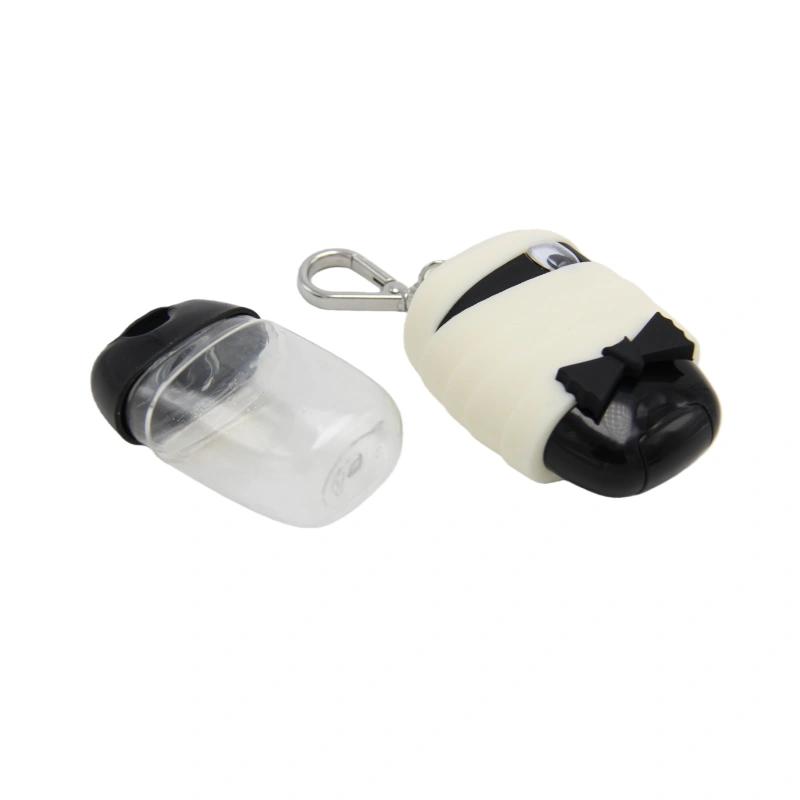
Silicone hand sanitizer holders are widely used in promotional gifts, travel accessories, and everyday carry products. Their flexibility, durability, and strong customization potential make them a popular choice for brands and OEM buyers. Understanding silicone hand sanitizer holder materials and production methods helps buyers evaluate quality, consistency, and scalability. This article explains how silicone hand sanitizer holders are made, focusing on material selection and silicone molding techniques used in modern manufacturing.
Core Silicone Hand Sanitizer Holder Materials
Selecting the right silicone hand sanitizer holder materials is the foundation of reliable product performance. Different silicone formulations are chosen based on safety, elasticity, and intended usage.
Food-Grade Silicone
Food-grade silicone is commonly used for sanitizer holders due to its non-toxic and skin-safe properties. It offers excellent flexibility, resistance to aging, and stable performance across temperature changes. This type of material is especially suitable for daily-use products and promotional accessories.
Eco-Friendly Silicone Compounds
Many factories now adopt environmentally compliant silicone hand sanitizer holder materials that meet RoHS and REACH standards. These materials support sustainable manufacturing while maintaining color stability and long-term durability.
High-Density Silicone
For holders designed to support larger sanitizer bottles or frequent outdoor use, higher-density silicone is selected. This improves tear resistance and shape retention, ensuring the product maintains its structure over time.
How Silicone Hand Sanitizer Holders Are Made
Understanding how silicone hand sanitizer holders are made allows buyers to better communicate specifications and quality expectations with manufacturers. The process typically begins with material mixing, followed by molding, curing, and finishing.
Raw silicone is blended with pigments or additives, then formed using specific silicone molding techniques depending on design complexity and order volume. After curing, excess material is trimmed, and products proceed to surface finishing and inspection.
This standardized workflow ensures consistent dimensions, elasticity, and appearance across bulk production.
Key Silicone Molding Techniques in Manufacturing
Compression Molding
Compression molding is one of the most common silicone molding techniques used for sanitizer holders. Silicone material is placed into heated molds and pressed into shape, producing uniform thickness and smooth surfaces. This method is ideal for large-scale OEM production due to its cost efficiency and reliability.
Injection Molding
Injection molding allows manufacturers to create detailed shapes, integrated logos, and complex structures. Among advanced silicone molding techniques, it offers high precision and excellent repeatability, making it suitable for branded and customized designs.
Liquid Silicone Rubber (LSR) Processing
LSR processing is used for premium silicone accessories that require superior softness and elasticity. Although more expensive, it provides refined surface quality and enhanced durability, often applied in high-end product lines.
Surface Finishing and Decorative Processes
After molding, additional processes are applied to enhance appearance and functionality. These steps are a critical part of how silicone hand sanitizer holders are made, especially for branded products.
Common finishing techniques include:
-
Embossed or debossed logos
-
Silk screen printing for multicolor branding
-
Laser engraving for fine details
-
Matte or glossy surface treatments
These processes allow factories to align visual style with brand positioning while maintaining durability.
Functional Design Considerations for OEM Buyers
When evaluating silicone hand sanitizer holder materials and production options, buyers should consider:
-
Elasticity and tear resistance
-
Secure bottle fit and anti-slip structure
-
Strap or clip strength for portability
-
Ease of cleaning and hygiene performance
Each of these factors is influenced by material formulation and the selected silicone molding techniques, directly affecting product lifespan and user experience.
Sustainability and Modern Manufacturing Trends
Silicone products are designed for long-term use, reducing reliance on disposable plastic accessories. Modern factories optimize production efficiency and minimize waste throughout how silicone hand sanitizer holders are made, often integrating recyclable packaging and low-waste molding processes.
Conclusion: Optimizing Materials and Techniques for Scalable Production
Silicone hand sanitizer holders combine functionality, durability, and customization flexibility. By understanding silicone hand sanitizer holder materials, production workflows, and advanced silicone molding techniques, brands and OEM buyers can develop products that meet market demands and scale efficiently. Working with experienced manufacturers ensures consistent quality from design to mass production.