

Understanding Glass vs Acrylic Products Differences: A Complete Buyer Guide
When evaluating glass vs acrylic products differences, understanding how each material performs in real-world applications is essential—especially for buyers sourcing custom glass products for wholesale. While both materials are widely used in decorative, household, and commercial products, their properties differ significantly in terms of durability, aesthetics, cost, and long-term value.
This guide explores the key differences between glass and acrylic, explains what glass crafts are used for, and helps wholesalers, importers, and product designers choose the right material for their needs.
What Is the Difference Between Glass and Acrylic Products?
At a fundamental level, glass and acrylic differ in composition and performance.
Glass is manufactured from natural raw materials such as silica sand and minerals, melted at extremely high temperatures. Acrylic, also known as PMMA (polymethyl methacrylate), is a synthetic polymer developed as a lightweight alternative to glass.
When comparing glass vs acrylic products differences, glass stands out for its superior clarity, hardness, and premium appearance. Acrylic, meanwhile, offers flexibility, impact resistance, and lower production costs.
Material Properties and Manufacturing Differences
Glass Manufacturing Characteristics
Glass is valued for its natural transparency, light refraction, and surface hardness. These properties make it ideal for decorative and collectible items where visual depth and brilliance matter.
In custom glass products for wholesale, glass allows for:
-
Precise molding and engraving
-
Stable color retention without yellowing
-
Resistance to UV exposure
-
High-end surface finishing
However, glass is heavier and more fragile than acrylic, making proper packaging and handling essential during transportation.
Acrylic Manufacturing Characteristics
Acrylic is produced through polymerization at lower temperatures, resulting in:
-
Lightweight structure
-
High impact resistance
-
Easier machining and shaping
-
Lower production costs
Despite these advantages, acrylic often lacks the optical purity of glass and may develop surface haze or discoloration after prolonged UV exposure. These factors influence its suitability for premium decorative products.
Glass vs Acrylic Products Differences in Wholesale Applications
For wholesalers and OEM buyers, glass vs acrylic products differences directly affect pricing, branding, and market positioning.
| Aspect | Glass Products | Acrylic Products |
|---|---|---|
| Visual quality | High-end, crystal clear | Slightly less clarity |
| Weight | Heavy | Lightweight |
| Durability | Hard but brittle | Flexible and impact-resistant |
| UV resistance | Excellent | Moderate |
| Perceived value | Premium | Budget-friendly |
Many custom glass products for wholesale target gift, decor, and lifestyle markets where perceived value is critical. Glass products often command higher margins and stronger brand recognition.
What Are Glass Crafts Used For?
Understanding what glass crafts are used for helps buyers determine when glass is the superior material choice.
Common applications include:
-
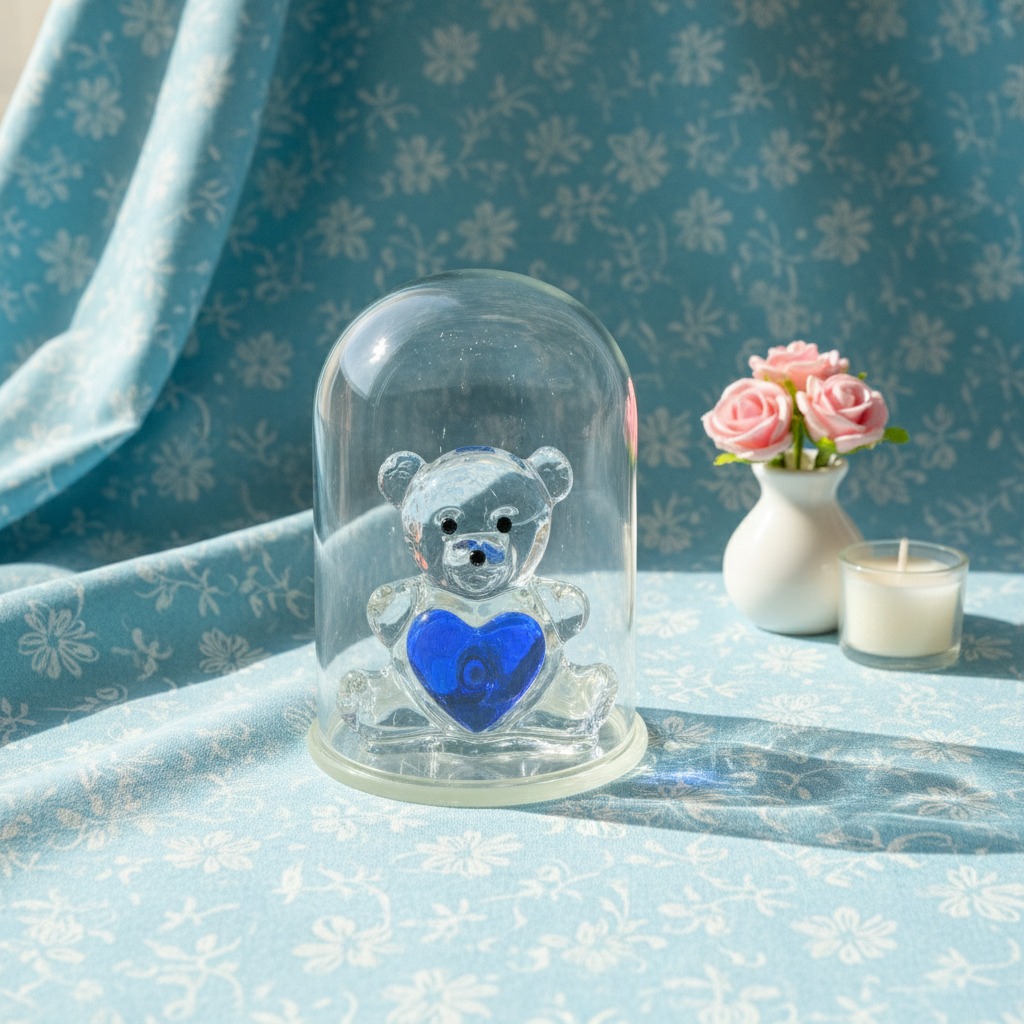
Decorative ornaments and figurines
-
Personalized gifts and souvenirs
-
Home décor accents
-
Retail display items
-
Collectible and commemorative products
Glass crafts are especially popular in gifting markets because they convey elegance, permanence, and emotional value. Unlike acrylic, glass maintains its clarity and finish over time, making it ideal for keepsakes and long-term display items.
Custom Glass Products for Wholesale Buyers
For B2B buyers, custom glass products for wholesale offer significant flexibility in design and branding. Manufacturers can support:
-
OEM / ODM customization
-
Custom shapes and molds
-
Logo engraving or printing
-
Color infusion and decorative effects
Glass products are commonly chosen by brands seeking differentiation through craftsmanship rather than mass production.
Environmental and Sustainability Considerations
Another important factor in glass vs acrylic products differences is sustainability.
Glass is 100% recyclable and can be reused indefinitely without degradation in quality. Acrylic, while recyclable, is petroleum-based and typically loses quality after recycling.
For eco-conscious brands, glass crafts align better with sustainability goals and green product positioning.
How to Choose Between Glass and Acrylic Products
Choose glass products if your priorities include:
-
Premium appearance
-
Long-term clarity
-
Decorative or collectible value
-
Sustainable materials
Choose acrylic products if your priorities include:
-
Impact resistance
-
Lightweight design
-
Lower production costs
-
High-volume applications
Understanding what glass crafts are used for and how custom glass products for wholesale perform in the market allows buyers to make informed sourcing decisions.
Conclusion
A clear understanding of glass vs acrylic products differences empowers wholesalers, designers, and brand owners to select materials that align with their product strategy. While acrylic excels in practicality, glass remains unmatched in elegance, sustainability, and emotional appeal.
For businesses focused on custom glass products for wholesale, glass crafts continue to play a vital role in creating products that are not only functional but also timeless.