


Glass Cups Materials & Craft Techniques: Design and Product Development Insights for Glass Products
Glass cups are a foundational category in glass products development, serving a wide range of applications from everyday drinkware to premium lifestyle collections and hospitality projects. In product design, material selection and manufacturing techniques play a critical role in determining not only appearance, but also usability, durability, and production scalability.
For brands, designers, and OEM buyers, understanding how glass cup materials and craft techniques influence product development decisions is essential. This article explores common glass materials, key manufacturing processes, and how design and production considerations shape successful glass cup products in competitive markets.
Material Selection in Glass Cup Product Development
Material choice is one of the earliest and most important decisions in glass cup design. Each glass composition supports different design objectives, cost structures, and performance requirements.
Soda-Lime Glass for Mass-Market Design
Soda-lime glass is widely used in the development of everyday glass cups due to its cost efficiency and ease of manufacturing. From a product development perspective, it allows designers to focus on form, proportion, and surface decoration while maintaining stable production costs.
This material is well suited for high-volume drinkware collections, retail-ready glass cups, and standardized designs used in restaurants and commercial environments. However, designers must account for its moderate thermal resistance when developing products intended for hot beverages.
Borosilicate Glass for Functional Innovation
Borosilicate glass is commonly selected for glass cups that emphasize functionality and user experience. Its superior heat resistance and low thermal expansion make it ideal for hot beverage cups, double-wall glass designs, and modern minimalist drinkware.
From a design and product development standpoint, borosilicate glass enables thinner walls, lightweight structures, and clean visual lines. These features align well with contemporary lifestyle trends and premium product positioning.
Lead-Free Crystal Glass for Premium Product Lines
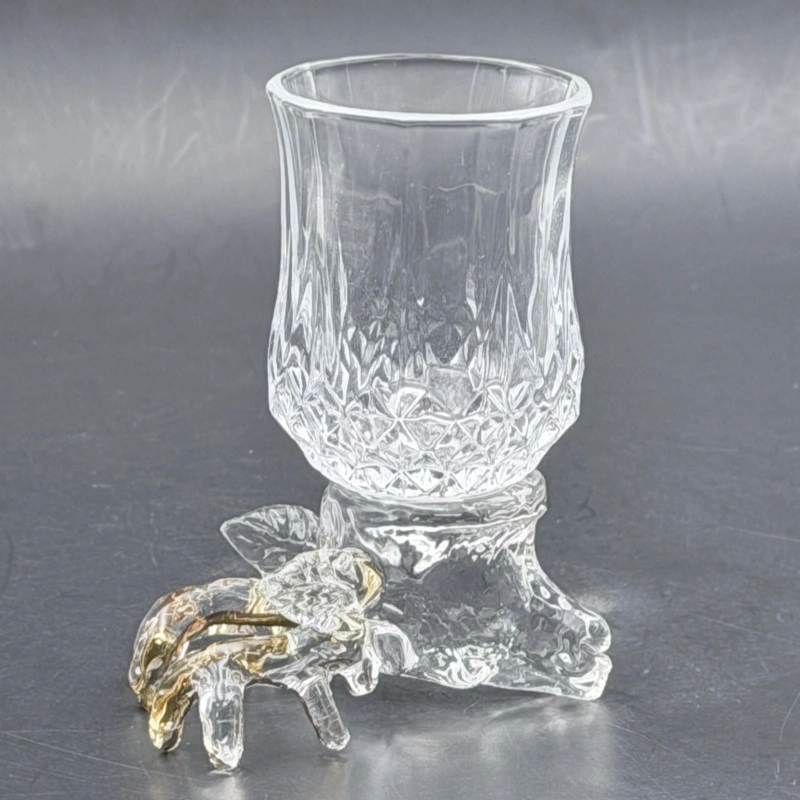
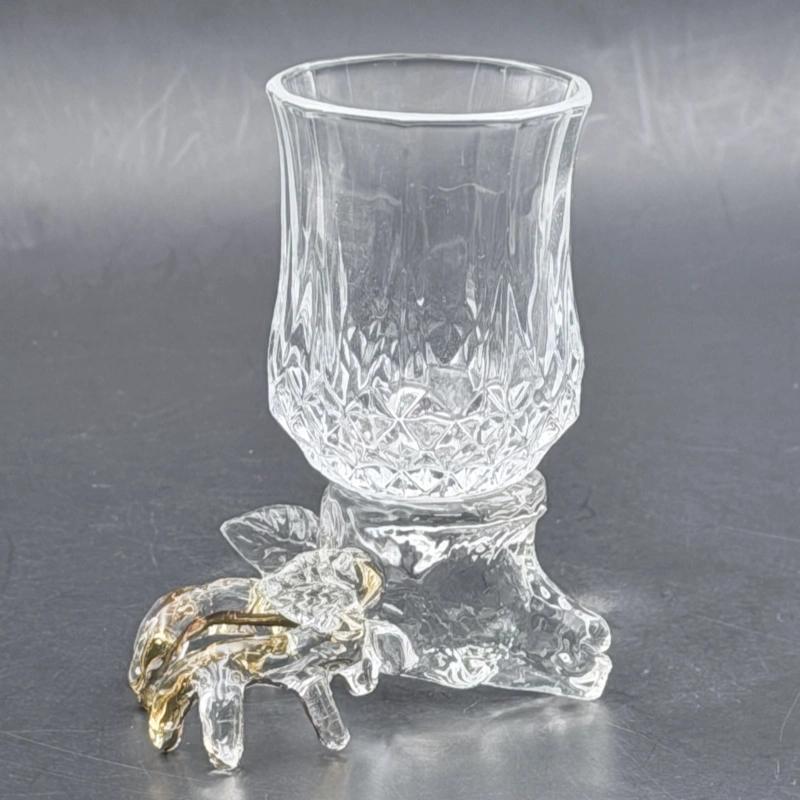
Lead-free crystal glass is often used in the development of high-end glass cups where visual clarity, weight, and tactile quality are key design elements. This material enhances light refraction and provides a refined hand feel, supporting luxury branding and gifting collections.
Product developers typically choose crystal glass for wine cups, whiskey glasses, and statement drinkware where aesthetics and perceived value are critical.
Craft Techniques and Their Impact on Glass Cup Design
Manufacturing techniques directly influence design freedom, consistency, and scalability in glass cup product development.
Machine-Blown Glass for Scalable Product Lines
Machine-blown glass is widely used in OEM and wholesale production due to its ability to deliver consistent dimensions and uniform wall thickness. This process supports scalable product development, making it ideal for standardized glass cup designs intended for large-volume distribution.
Designers working with machine-blown processes must balance creative form with mold limitations, ensuring designs remain production-friendly while maintaining visual appeal.
Hand-Blown Glass for Design-Driven Collections
Hand-blown glass allows greater flexibility in shape, proportion, and artistic expression. This technique is often used during the development of limited-edition glass cups or decorative drinkware collections.
Although hand-blown glass is less suitable for mass production, it plays an important role in concept development, premium branding, and high-value product lines where individuality and craftsmanship are emphasized.
Pressed Glass for Structural and Textural Design
Pressed glass techniques are commonly used when product development focuses on texture, thickness, and durability. Embossed patterns, geometric surfaces, and vintage-inspired designs are often achieved through pressed glass molds.
This technique supports robust structures and consistent replication, making it suitable for hospitality-grade glass cups and functional lifestyle products.
Surface Treatments as a Design Differentiator
In glass cup product development, surface finishing and decorative techniques are essential tools for differentiation and branding.
Common treatments include frosted or acid-etched finishes for improved grip and visual softness, screen printing or decals for logos and patterns, and electroplated rims or painted accents for premium positioning. Heat tempering is often applied to improve impact resistance and safety.
These processes allow designers to adapt a core glass cup structure into multiple SKUs, supporting product line expansion without significant tooling changes.
Functional Design Considerations for OEM Development
Successful glass cup development requires close alignment between design intent and functional performance. Key considerations include wall thickness, weight balance, thermal performance, dishwasher safety, and packaging efficiency.
OEM buyers and product developers must also consider stacking requirements, breakage risk during transport, and compatibility with automated packaging systems. Early collaboration between designers and manufacturers helps ensure that aesthetic goals remain achievable in mass production.
Sustainability in Glass Product Design
Sustainability is increasingly influencing glass cup product development. Glass is fully recyclable, and many manufacturers incorporate recycled glass into production to reduce energy usage and environmental impact.drinkware design
Modern design trends also emphasize longevity and reusability, encouraging product developers to focus on durable structures, timeless aesthetics, and multi-use designs. Innovations such as double-wall glass cups and hybrid designs with silicone or metal components further enhance user experience while extending product life cycles.
Conclusion
Glass cup design and product development is a balance of material selection, manufacturing technique, functional performance, and market positioning. By understanding the properties of soda-lime glass, borosilicate glass, and lead-free crystal glass, as well as the impact of different craft techniques, brands and OEM buyers can make informed development decisions.
When materials and production methods are aligned with design goals, glass cups become more than simple drinkware—they become well-engineered products that deliver long-term value, aesthetic appeal, and commercial success in competitive markets.